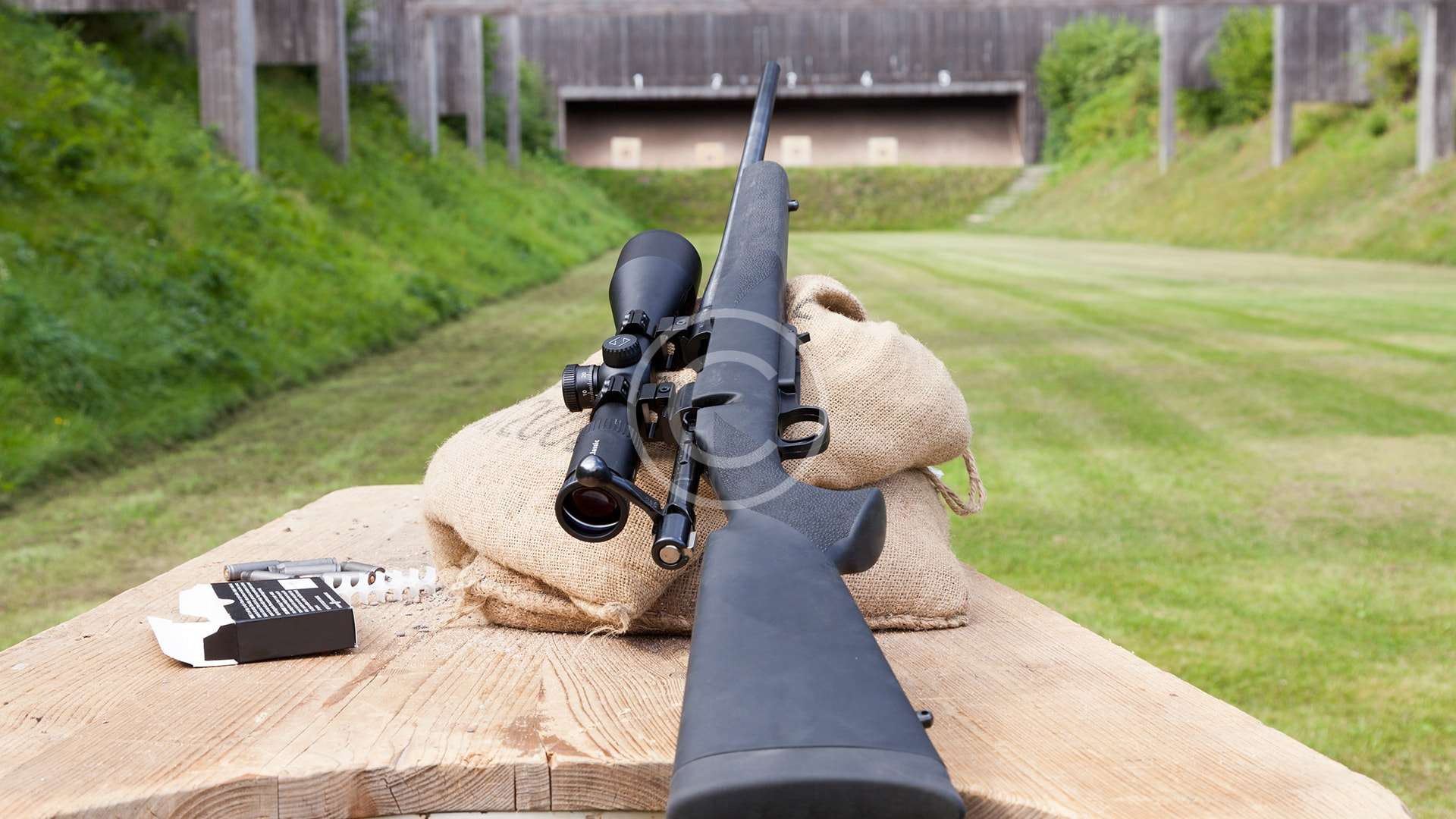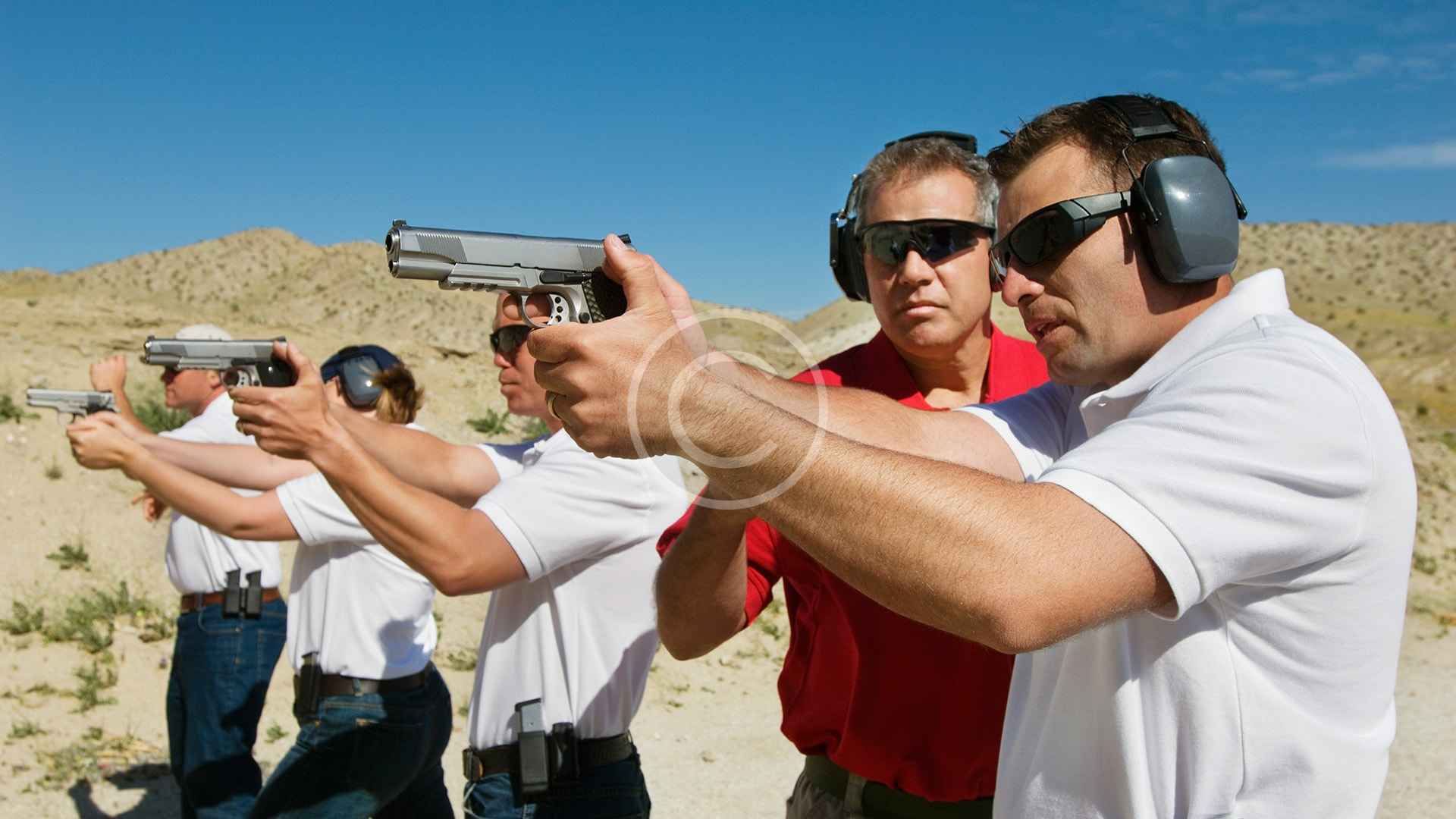
Firearm practice is centered on safety protocols, fundamental handling skills, and live-fire application in a controlled environment. You can expect classroom instruction, hands-on training, and strict supervision by Range Safety Officers or instructors.
Key Expectations for Firearm Practice
- Safety First: The primary focus is always safety. You will learn and be expected to strictly follow the universal rules of firearm safety: treat every gun as if it is loaded, always point the muzzle in a safe direction, keep your finger off the trigger until you are ready to shoot, and know your target and what lies beyond it.
- Classroom Instruction: Most structured training sessions begin with a classroom portion. Here you’ll learn about firearm components, operation (loading/unloading, clearing jams), range commands, and relevant laws.
- Shooting Fundamentals: Instructors will teach you the essential skills for accurate shooting, which you will practice through dry-fire drills and then live fire. These include:
- Proper stance and grip for stability and control.
- Sight alignment and sight picture (focusing on the front sight).
- Breathing control techniques.
- Smooth, consistent trigger control.
- Live-Fire Practice: After covering the basics, you’ll move to the range for live shooting under direct supervision. You will start with simple paper targets at close range (e.g., 3-5 yards) and gradually work on improving accuracy and consistency.
- Range Environment: Ranges are loud and require mandatory eye and ear protection. Expect range officers to enforce rules rigorously. A “hot” range means shooting is permitted, while a “cold” range means all firearms must be unloaded, made safe, and no one should handle them while individuals are downrange.
- Continuous Improvement: Firearm practice is an ongoing process. Regular practice is encouraged to build muscle memory, increase confidence, and enhance skills like reloading, clearing malfunctions, and holster use.
What to Bring
- Eye and Ear Protection: Mandatory for all live-fire sessions. Electronic earmuffs are recommended as they amplify voices (like instructor commands) while blocking loud shots.
- Appropriate Attire: Wear comfortable clothing, long pants, and closed-toe shoes. High necklines and a hat can also help protect from hot, expelled casings.
- Identification: A valid ID is required for check-in at the range office.
- Firearm and Ammunition (if you own them): If you don’t own a firearm, most ranges offer rental options. Ensure you bring the correct, range-approved ammunition (many ranges prohibit steel-cased ammo) and potentially spare magazines.
- Water and Snacks: Training sessions can last several hours, so staying hydrated and energized is important.
The goal of firearm practice is not just competence, but also confidence and responsible gun ownership, built on a solid foundation of safety.